
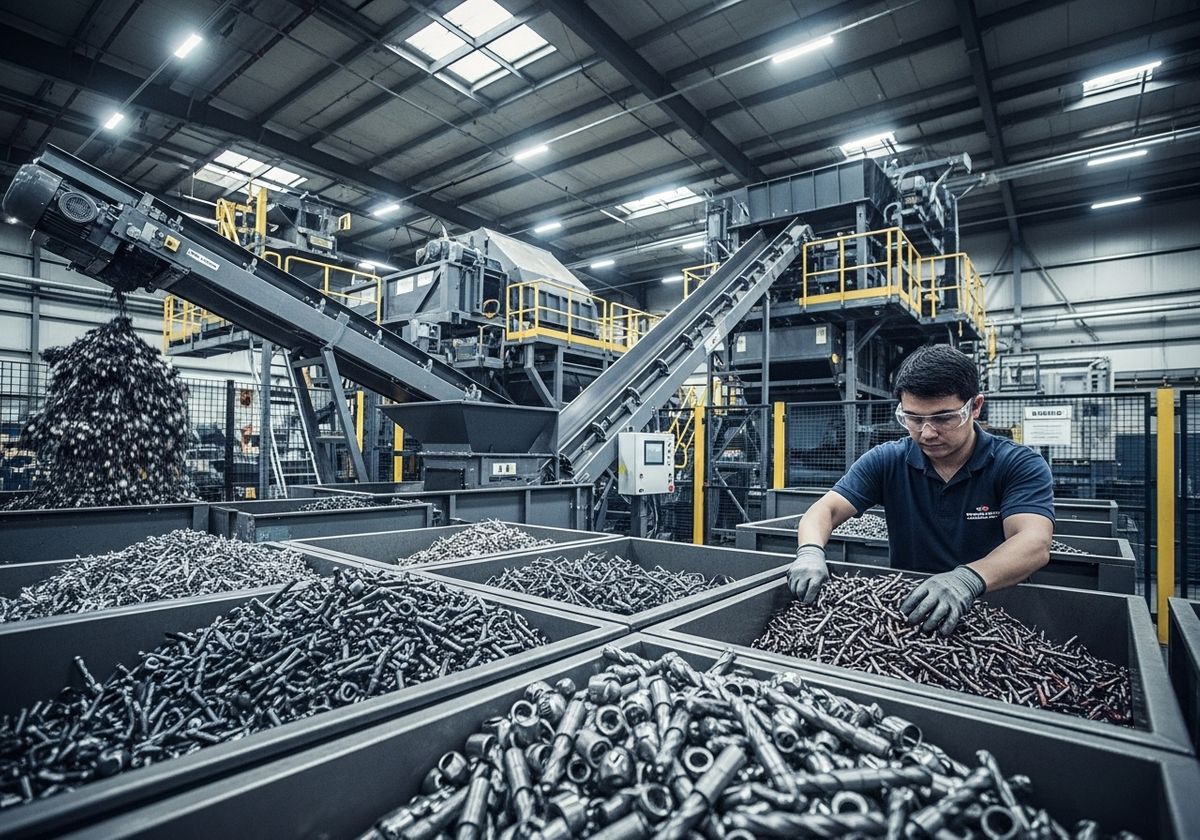
As environmental standards rise, sustainable practices have become a necessity across all industrial sectors. Metal recovery is a cornerstone of this shift, playing a vital role in conserving resources and reducing the heavy footprint of manufacturing. At Carbide Recovery Solution (CRS), we believe that embracing sustainable reclamation doesn't just protect the planet—it directly strengthens a company’s reputation and bottom line. Here are the essential steps for building a sustainable industrial metal reclamation strategy.
Understanding the Importance of Metal Recovery
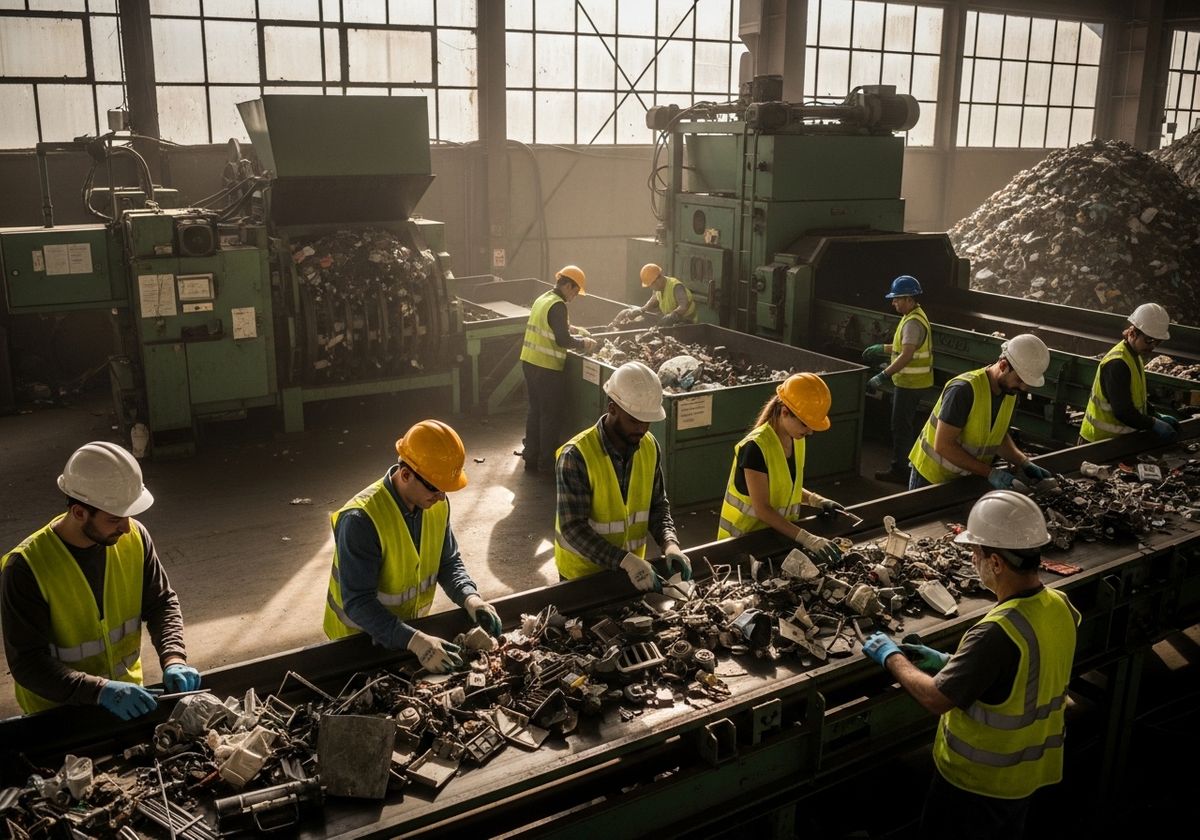
Metal recovery involves reclaiming valuable metals from discarded products, manufacturing scraps, and other waste streams. This process reduces the need for virgin ore extraction, which is energy-intensive and environmentally disruptive. By recovering and reusing metals, companies can conserve natural resources, lower carbon emissions, and minimize waste sent to landfills.
Identifying and Sorting Metal Waste
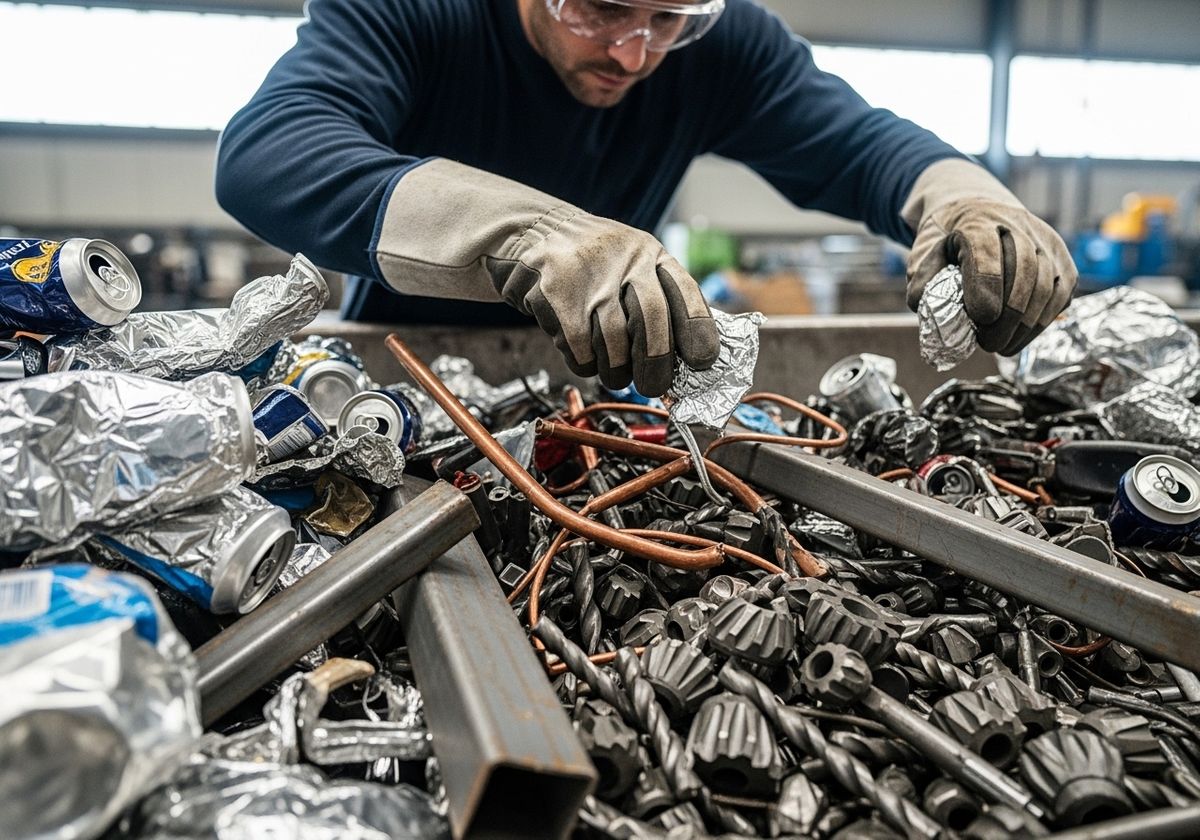
The first step in sustainable metal recovery is to identify and sort metal waste streams effectively. This involves separating different types of metals, such as steel, aluminum, copper, and tungsten carbide. Proper sorting ensures that each metal can be processed and recycled efficiently.
For example, tungsten carbide is a particularly valuable metal often found in drill bits and other cutting tools. The price of tungsten carbide scrap can fluctuate, making it essential to monitor market trends to maximize returns from recycling efforts. Efficient sorting and processing can significantly impact the profitability of metal recovery operations.
Implementing Efficient Collection Systems
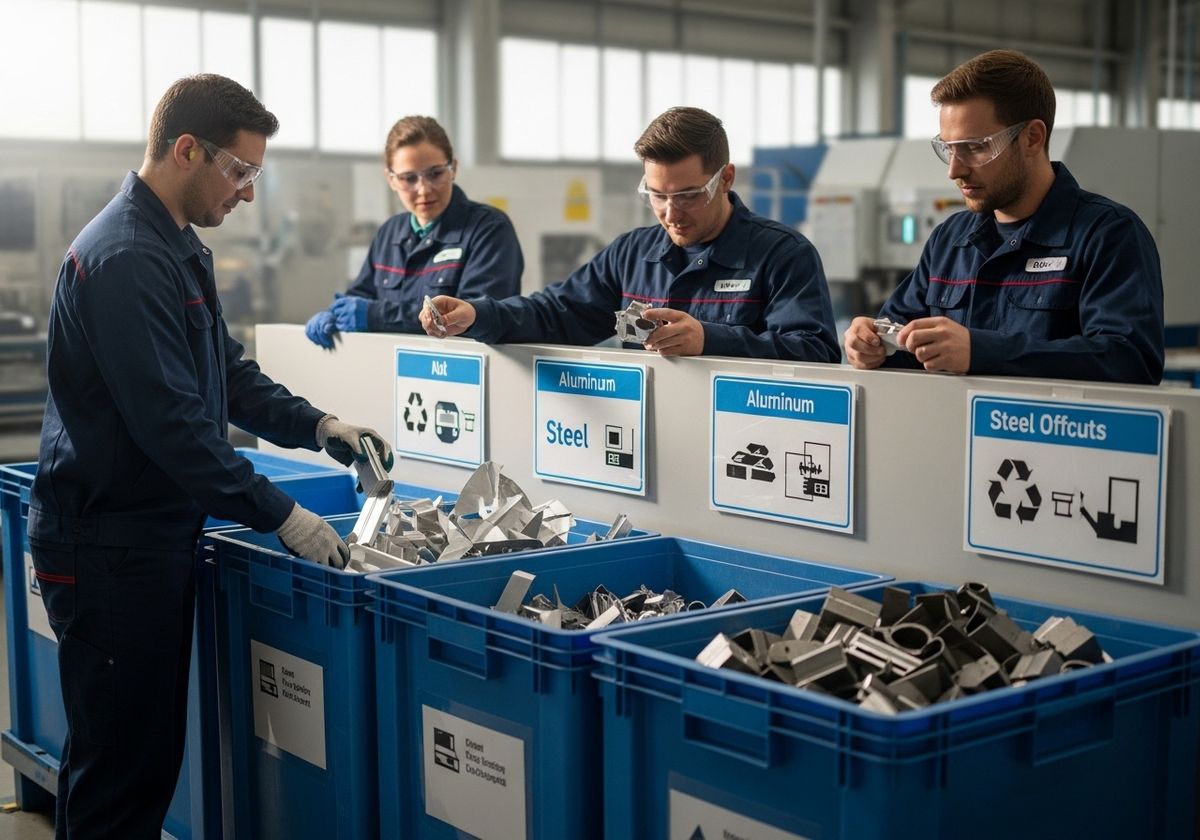
Efficient collection systems are vital for gathering metal waste from various sources. This may involve establishing collection points within a manufacturing facility or partnering with external recycling centers. Clear guidelines and training for employees can help ensure that metal waste is properly segregated and collected.
Optimizing Recycling Processes
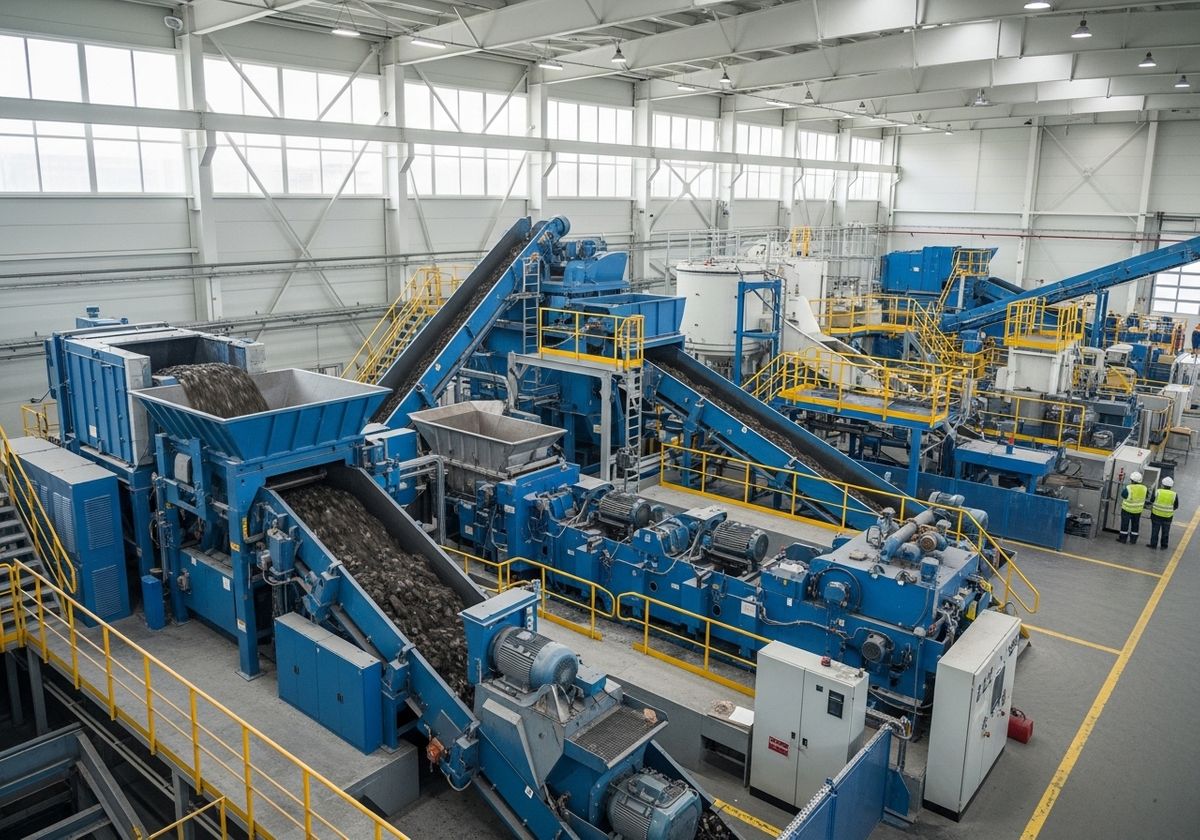
Recycling processes should be optimized to maximize metal recovery rates while minimizing energy consumption and emissions. This can involve investing in advanced recycling technologies, such as shredders, magnetic separators, and chemical treatment processes. Regularly evaluating and improving recycling processes can lead to significant gains in efficiency and environmental performance.

Monitoring and Reporting Performance
To ensure the effectiveness of sustainable metal recovery efforts, it is essential to monitor and report performance metrics. This includes tracking the quantity of metal recovered, energy consumption, waste generation, and cost savings. Regular monitoring and reporting can help identify areas for improvement and demonstrate the value of sustainability initiatives to stakeholders.

The Impact of Sustainable Practices
Adopting sustainable metal recovery practices offers numerous benefits for businesses and the environment. Environmentally responsible manufacturing not only conserves resources and reduces waste but also enhances a company's reputation, attracts environmentally conscious customers, and improves financial performance.
Sustainable metal recovery is a crucial aspect of modern manufacturing and sustainability. By implementing efficient collection systems, optimizing recycling processes, and monitoring performance, companies can significantly reduce their environmental impact and enhance their bottom line. At Carbide Recovery Solution, we understand the importance of these practices and are committed to helping businesses like yours achieve their sustainability goals. Contact us today to learn more about our comprehensive services and how we can tailor our solutions to meet your specific needs!