
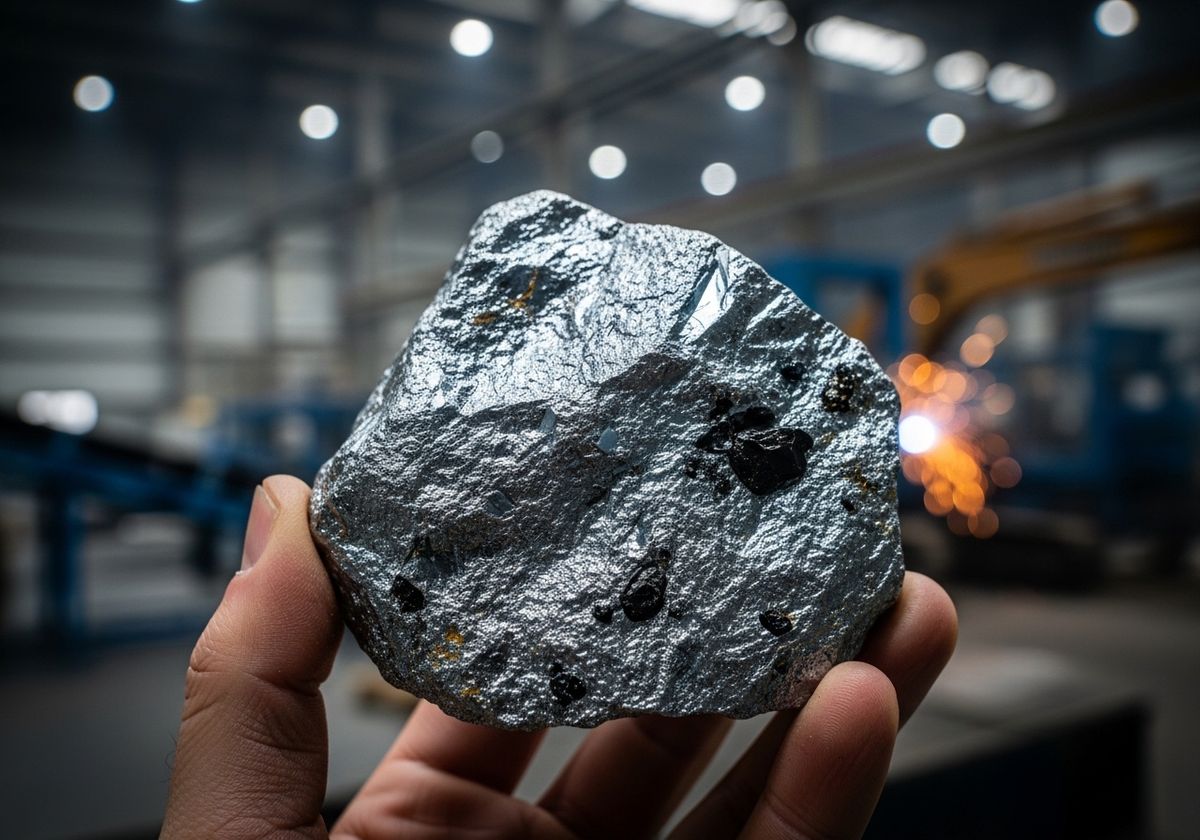
Tungsten remains a cornerstone of American industry, prized for its extreme hardness and thermal resistance. As we move through 2026, tracking market fluctuations is essential for any operation reliant on this critical resource. At Carbide Recovery Solution (CRS), we see how the price of tungsten carbide scrap directly shapes operational costs and long-term strategic planning. From large-scale industrial reclamation to the maintenance of specialized drill bits, understanding these market drivers is key to maintaining a healthy bottom line.
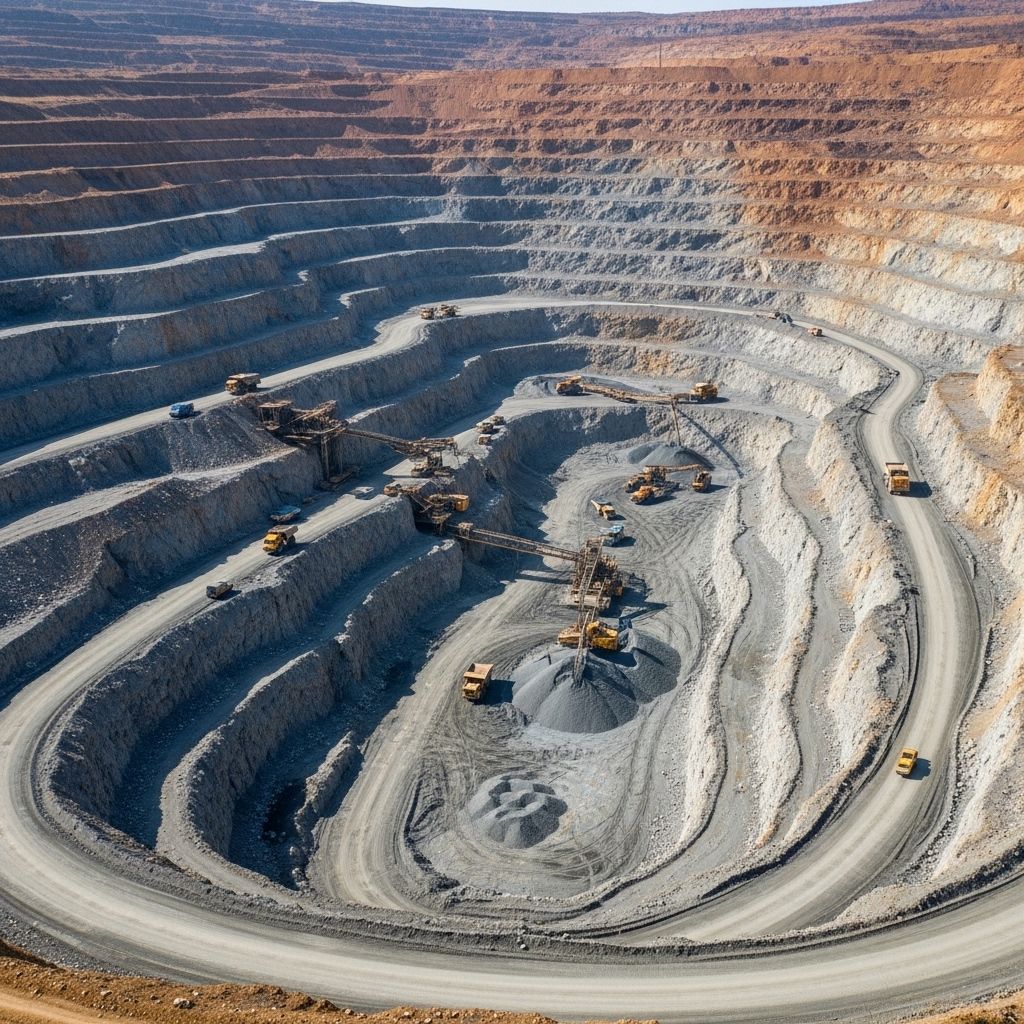
Factors Influencing Tungsten Prices
Tungsten prices are subject to a variety of market forces, including:
Supply and Demand: The fundamental economic principle of supply and demand plays a significant role. Any disruption in the supply chain, such as mine closures or geopolitical tensions in major tungsten-producing regions, can lead to price increases. Conversely, a surplus in supply can drive prices down.
Global Economic Conditions: Economic growth in industrialized nations often correlates with increased demand for tungsten, particularly in sectors like aerospace, automotive, and construction. Economic downturns can have the opposite effect.
Geopolitical Factors: Trade policies, international relations, and political stability in tungsten-producing countries can all influence prices. Tariffs, sanctions, and political unrest can disrupt supply chains and create price volatility.
Technological Advancements: Innovations in material science and manufacturing processes can impact the demand for tungsten. The development of alternative materials or new applications for tungsten can shift market dynamics.
Currency Fluctuations: As tungsten is traded globally, exchange rates between major currencies can affect prices. A stronger US dollar, for example, can make tungsten more expensive for buyers using other currencies.

Current Market Trends
Before projecting the 2026 outlook, it's essential to understand the current market trends. Recent years have seen fluctuations in tungsten prices due to a combination of factors:
Increased Demand: The resurgence of manufacturing activities post-pandemic has led to increased demand for tungsten in various applications.
Supply Constraints: Environmental regulations and mine closures in key producing regions have created supply constraints, putting upward pressure on prices.
Trade Tensions: Ongoing trade tensions between major economies have added uncertainty to the market, contributing to price volatility.
Sustainability Initiatives: Growing emphasis on manufacturing and sustainability has spurred interest in industrial metal reclamation, impacting the availability and pricing of tungsten scrap.

Tungsten Price Outlook for 2026
Predicting the price of tungsten in 2026 involves analyzing the interplay of the factors mentioned above. Considering current trends and potential future developments, here's a possible outlook:
Price Stability with Potential Upside: The base case scenario suggests that tungsten prices will remain relatively stable, with potential for moderate increases. This assumes a continuation of current economic growth, stable supply chains, and no major geopolitical disruptions.
Factors Supporting Price Increases:
Infrastructure Development: Increased infrastructure spending in developing economies could drive demand for tungsten in construction and manufacturing.
Advanced Technologies: Growing adoption of advanced technologies like 3D printing and electric vehicles may create new applications for tungsten, boosting demand.
Stringent Environmental Regulations: Further tightening of environmental regulations could limit tungsten mining activities, leading to supply constraints and higher prices.
Factors Potentially Lowering Prices:
Economic Slowdown: A significant global economic slowdown could reduce demand for tungsten, leading to price declines.
Increased Recycling: Improvements in industrial metal reclamation technologies could increase the availability of recycled tungsten, reducing the need for newly mined material.

Strategic Implications
For businesses that rely on tungsten, understanding the price outlook for 2026 is crucial for strategic planning. Here are some implications:
Supply Chain Management: Diversifying supply sources and building strong relationships with suppliers can help mitigate the impact of price volatility.
Inventory Management: Optimizing inventory levels can help reduce the risk of holding costly tungsten during price downturns.
Cost Optimization: Exploring alternative materials and manufacturing processes can help reduce reliance on tungsten and lower costs.
Recycling Initiatives: Investing in industrial metal reclamation can provide a stable source of tungsten and reduce exposure to market fluctuations.
Navigating the complexities of tungsten pricing requires a comprehensive understanding of market dynamics and strategic foresight. By staying informed and adapting to changing conditions, businesses can effectively manage their tungsten-related costs and ensure long-term success. Understanding the market for materials like tungsten is crucial for optimizing operations, ensuring reliability, and minimizing downtime, all of which Carbide Recovery Solution can help you achieve. Contact us today to discover how we can tailor solutions to your specific needs, from ballscrew repairs to machinery sales, and boost your manufacturing while accelerating your success.