
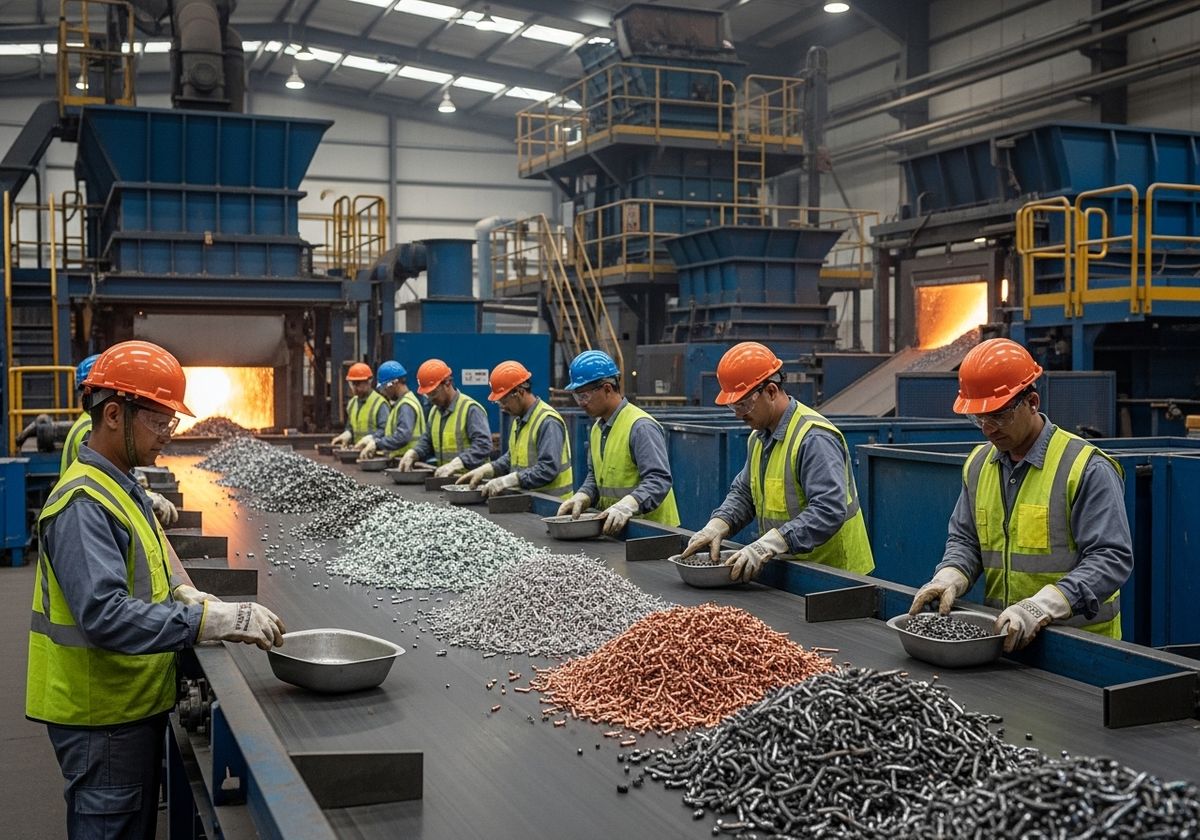
Industrial metal reclamation is a critical process for businesses aiming to enhance sustainability, reduce costs, and improve resource efficiency. At Carbide Recovery Solution (CRS), we specialize in helping companies turn their industrial waste into significant revenue streams through precision recycling. In this guide, we'll explore the essentials of industrial metal reclamation, its benefits, and how it contributes to a circular economy.
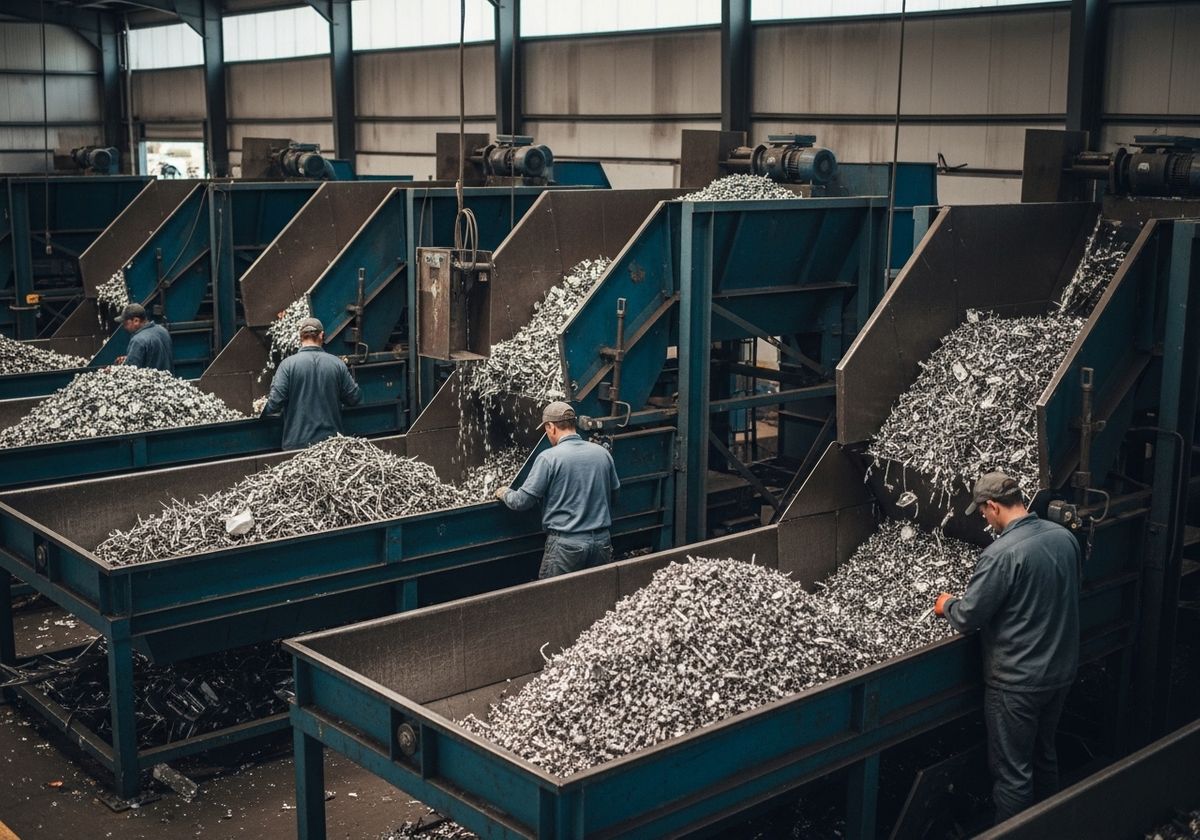
Understanding Industrial Metal Reclamation
Industrial metal reclamation involves recovering valuable metals from waste streams generated by manufacturing, construction, and other industrial activities. This process not only reduces the amount of waste sent to landfills but also conserves natural resources by reusing existing materials. Common metals reclaimed include steel, aluminum, copper, and tungsten carbide.
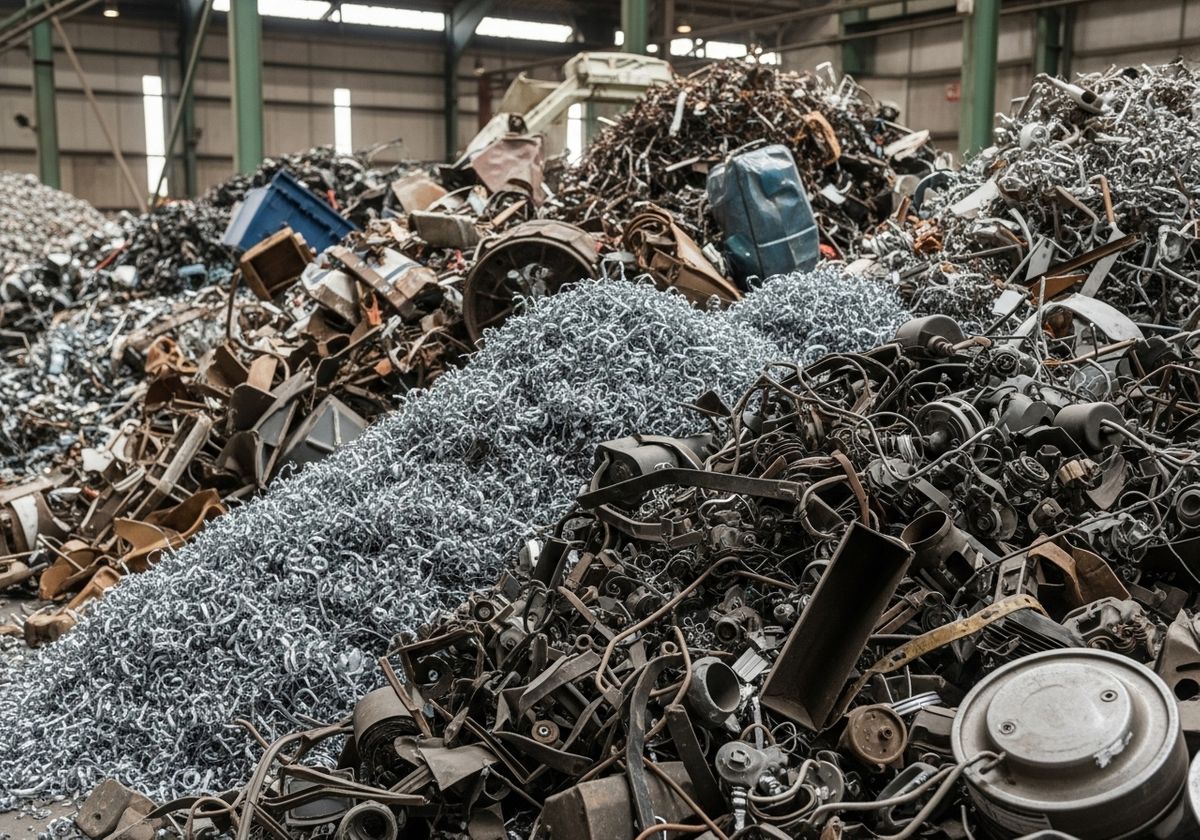
Benefits of Metal Reclamation
Environmental Sustainability: Reclaiming metals reduces the need for virgin ore extraction, which can be environmentally damaging. It lowers energy consumption and greenhouse gas emissions associated with mining and processing new materials. Metal reclamation directly contributes to manufacturing and sustainability.
Cost Savings: Using reclaimed metals can be more cost-effective than purchasing newly refined metals. Reclaiming metals reduces waste disposal costs and can generate revenue through the sale of recovered materials. Fluctuations in the price of tungsten carbide per pound make reclamation an appealing option during periods of high prices.
Resource Efficiency: Metal reclamation helps conserve finite natural resources. By reusing metals, industries can reduce their reliance on increasingly scarce and expensive raw materials.
Reduced Waste: Reclaiming metals diverts waste from landfills, reducing the environmental impact of waste disposal.
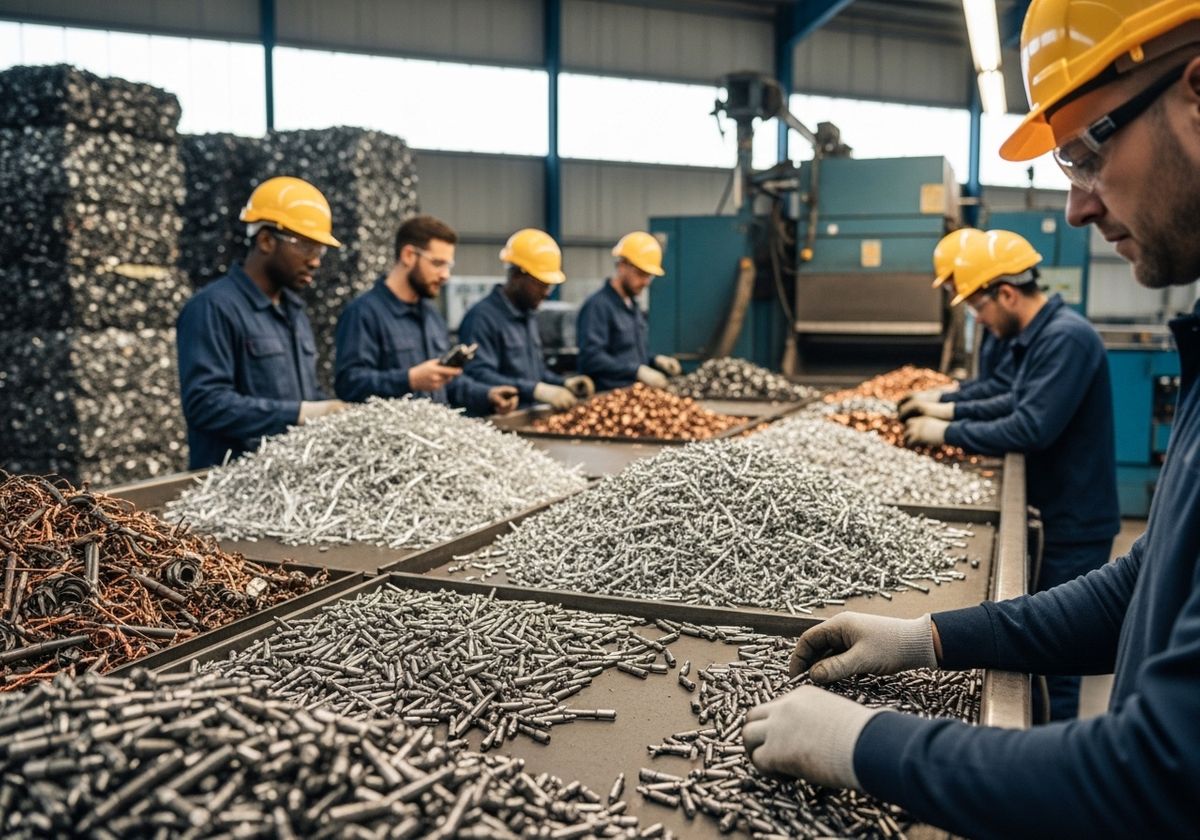
Key Metals for Reclamation
Tungsten Carbide: Known for its hardness and heat resistance, tungsten carbide is commonly used in cutting tools, drill bits, and wear-resistant parts. The price of tungsten carbide scrap can make reclamation a worthwhile endeavor. Tungsten carbide drill bits are frequently reclaimed.
Steel: One of the most recycled materials globally, steel can be reclaimed from various sources, including construction debris and end-of-life vehicles.
Aluminum: Aluminum is highly recyclable and can be reclaimed from beverage cans, automotive parts, and construction materials.
Copper: Copper is valuable and widely used in electrical wiring, plumbing, and industrial machinery. Reclamation of copper is economically and environmentally beneficial.
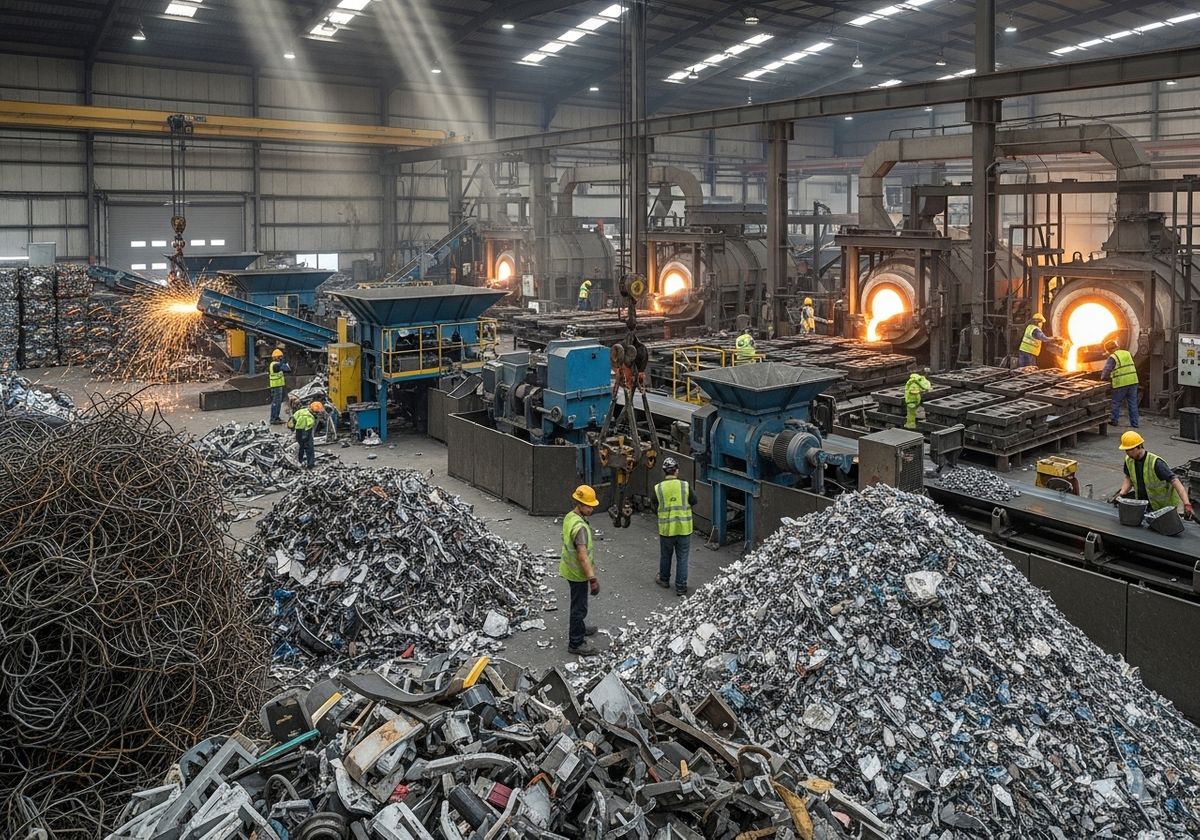
The Reclamation Process
The metal reclamation process typically involves several steps:
Collection: Gathering metal-containing waste from industrial sources.
Sorting: Separating different types of metals and removing contaminants.
Processing: Cleaning, crushing, and shredding the metals into smaller pieces.
Melting/Refining: Melting the processed metals and refining them to remove impurities.
Fabrication: Using the reclaimed metals to produce new products.
Industrial metal reclamation offers substantial benefits for businesses and the environment, promoting sustainability, reducing costs, and conserving resources. By understanding the reclamation process and the value of different metals, companies can implement effective strategies to reclaim metal waste. Carbide Recovery Solution specializes in providing solutions that ensure reliability and minimize downtime. Contact us today to learn more about how our services can support your metal reclamation efforts and contribute to a more sustainable and efficient operation!